How do I know if my skin barrier is damaged?
What is the skin barrier?
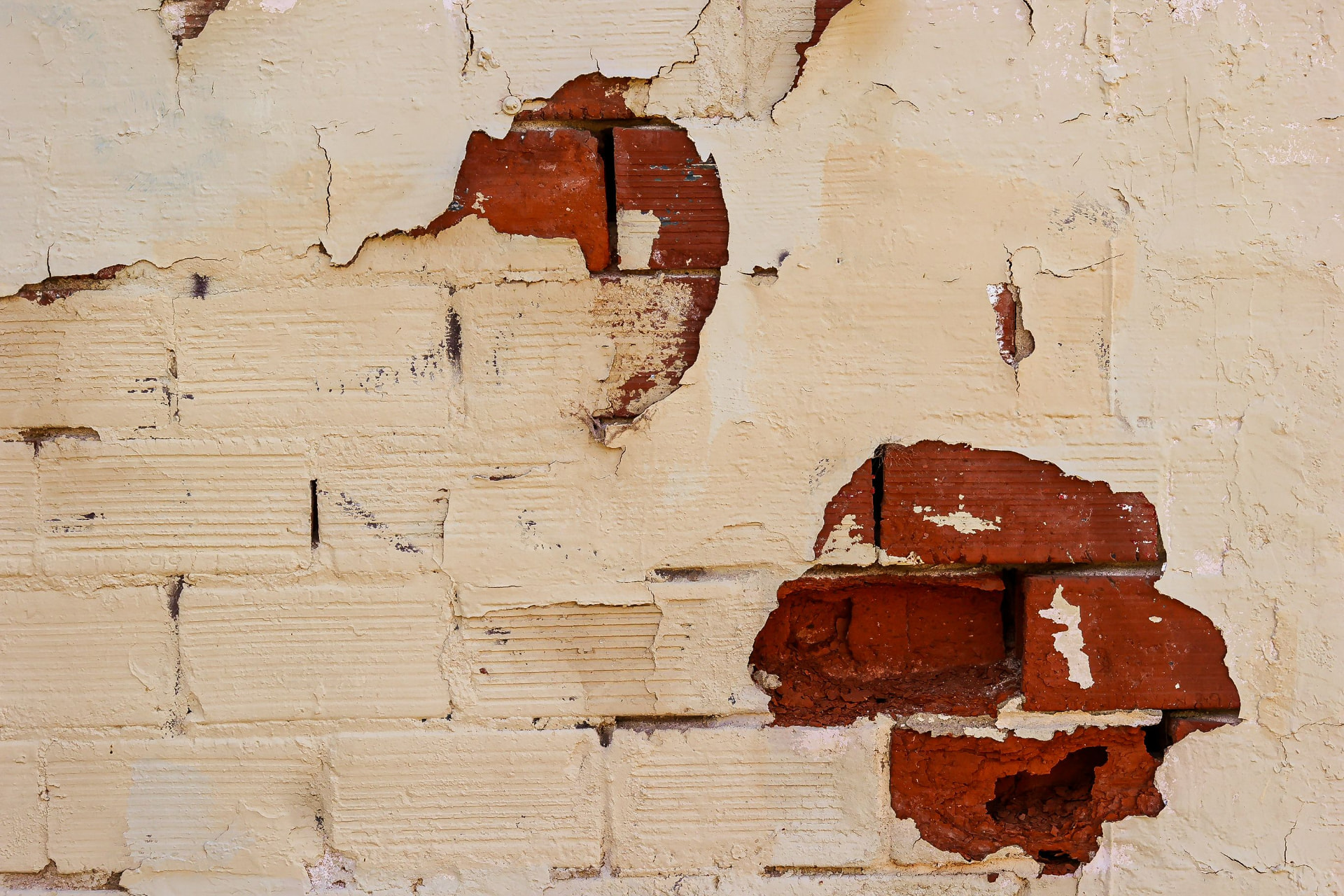
The outermost layer of your skin, the stratum corneum, is a thin wall of flattened cells held together by fats, often described as bricks and mortar. It keeps water in and keeps irritants, allergens and microbes out.
When that wall is intact, your skin tolerates a lot. When the mortar is weak, water escapes faster than it should and things that normally stay outside start getting in, and vice versa.
There is a huge variation in the skin barrier, not just between people but also for one person, depending on what is affecting the skin barrier. It is normal and expected that the skin barrier will be challenged from time to time.
What are signs of skin barrier damage?
A stressed barrier tends to advise you that it is stressed. Products you have used happily for months may now sting on application. Your face feels tight after cleansing, maybe even squeaky. Skin looks dull or feels rough despite your usual care. Redness hangs around longer than it used to. Moisturiser seems to disappear without doing much. Breakouts or bumpy patches turn up in unfamiliar places.
None of these signs is unique to barrier damage. You may have seen checklists going around that say if you have two or three signs from a list, your barrier is officially damaged, usually followed by a link to buy a product to fix it.
One precaution is that the same list of signs may be experienced for rosacea, dermatitis, eczema, allergy and a handful of other conditions that need different care entirely. If symptoms persist, see your doctor, because it may not be a barrier problem.
It’s a good idea to treat the signs as a prompt to look at what you have been doing, not as a verdict.

What usually challenges the skin barrier?
The usual cause is too much stress in too little time to the skin. A build-up of demands before the skin barrier buckles under the pressure. Some examples are:
- Exfoliating more often than your skin can rebuild.
- Stacking several strong actives in the same week, or introducing them all at once.
- Cleansing too often, too hot, or with something too stripping.
- Cold weather, wind, heaters and air conditioning quietly raising the demand on your skin while the routine stays the same.
- Occasionally illness, stress or short sleep reducing the skin’s capacity to recover and maintain.
What does skin barrier repair actually involve?
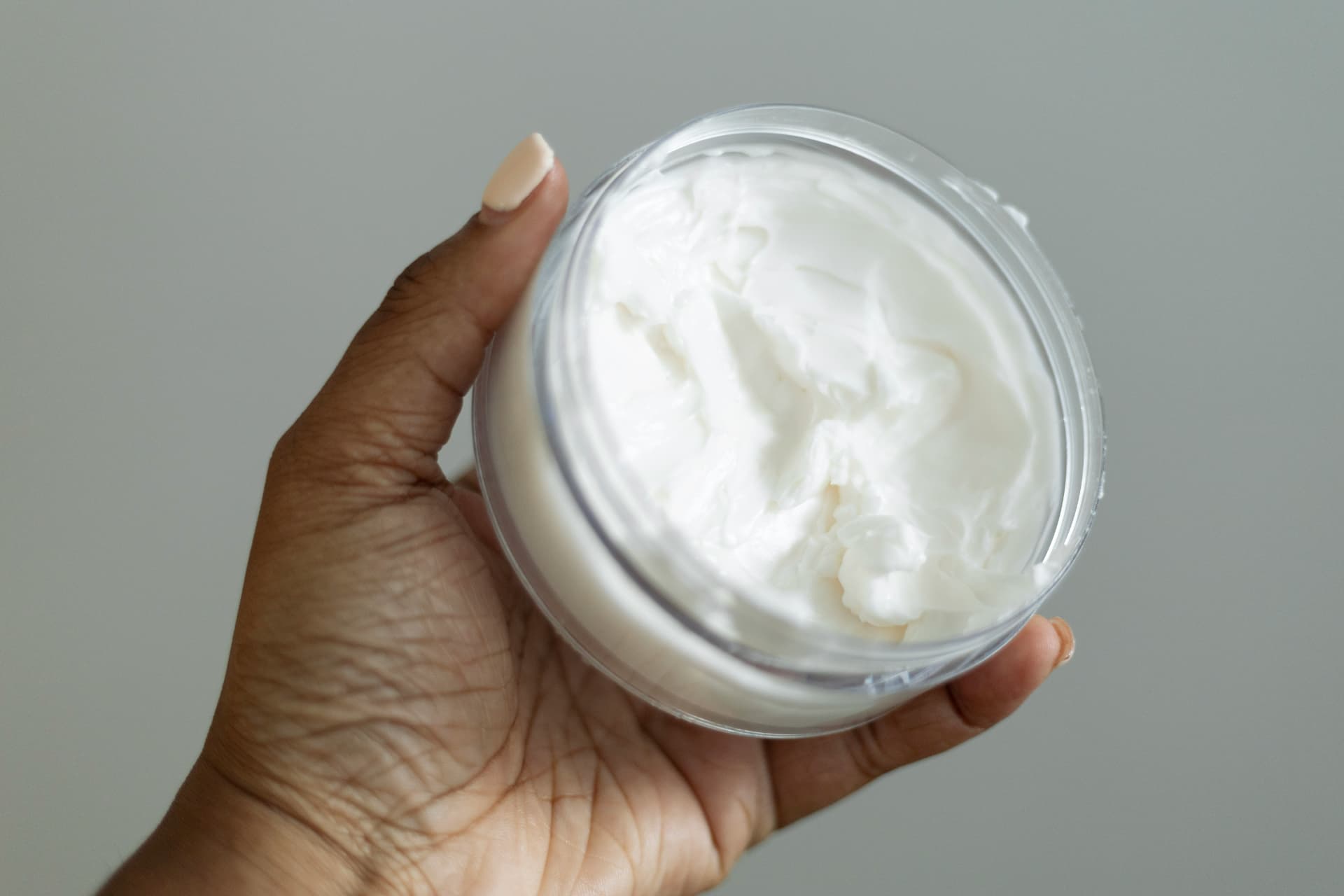
Reduce the demands on your skin to give it some time and space to rebuild, which it is very good at doing. That can mean pausing exfoliants and strong actives for now, keeping water lukewarm, using simple moisturiser regularly, and continuing your morning sunscreen habit.
Also do not forget the most powerful free resources: adequate rest and sleep, which support your skin’s capacity to recover. Expect the timeline to be honest rather than instant: comfort often improves within days, but the barrier itself rebuilds on the skin's own renewal cycle, so give it two to six weeks before judging. Slowly reintroduce actives one at a time afterwards.
What does this mean for my skin?
If your skin has recently become reactive, the most useful question is not which product to add but what changed in the last month or two: a new active, a colder week, more frequent exfoliation, a different cleanser. Review it as a data point to learn about your skin's tolerance, then learn from it to pivot to a routine that brings relief.
And a clear line worth keeping: if you have simplified for several weeks and the stinging, redness or rash is still there, or symptoms are getting worse rather than better, that warrants a consultation with a doctor. It may be a medical condition requiring a medical treatment, instead of another skincare product.
The full article continues in the Stratum Skin app, including the answers to these questions.
- How long does a damaged skin barrier take to heal?
- Should I stop my retinol if my barrier is stressed?
- Do I need a special barrier repair cream?
Early access
Join the waitlist.
A routine built around your skin.
Every ingredient graded on the evidence.
Founding member spots open first. Unsubscribe anytime.
Our grading criteria are published on our How we research page. Stratum is independent: no affiliate links, no sponsored products, no brands paying for placement.
Last reviewed October 2026